14 November 2026
Serbia has a smoking problem
Or, Welcome to Belgrade, where smoking is an obligation
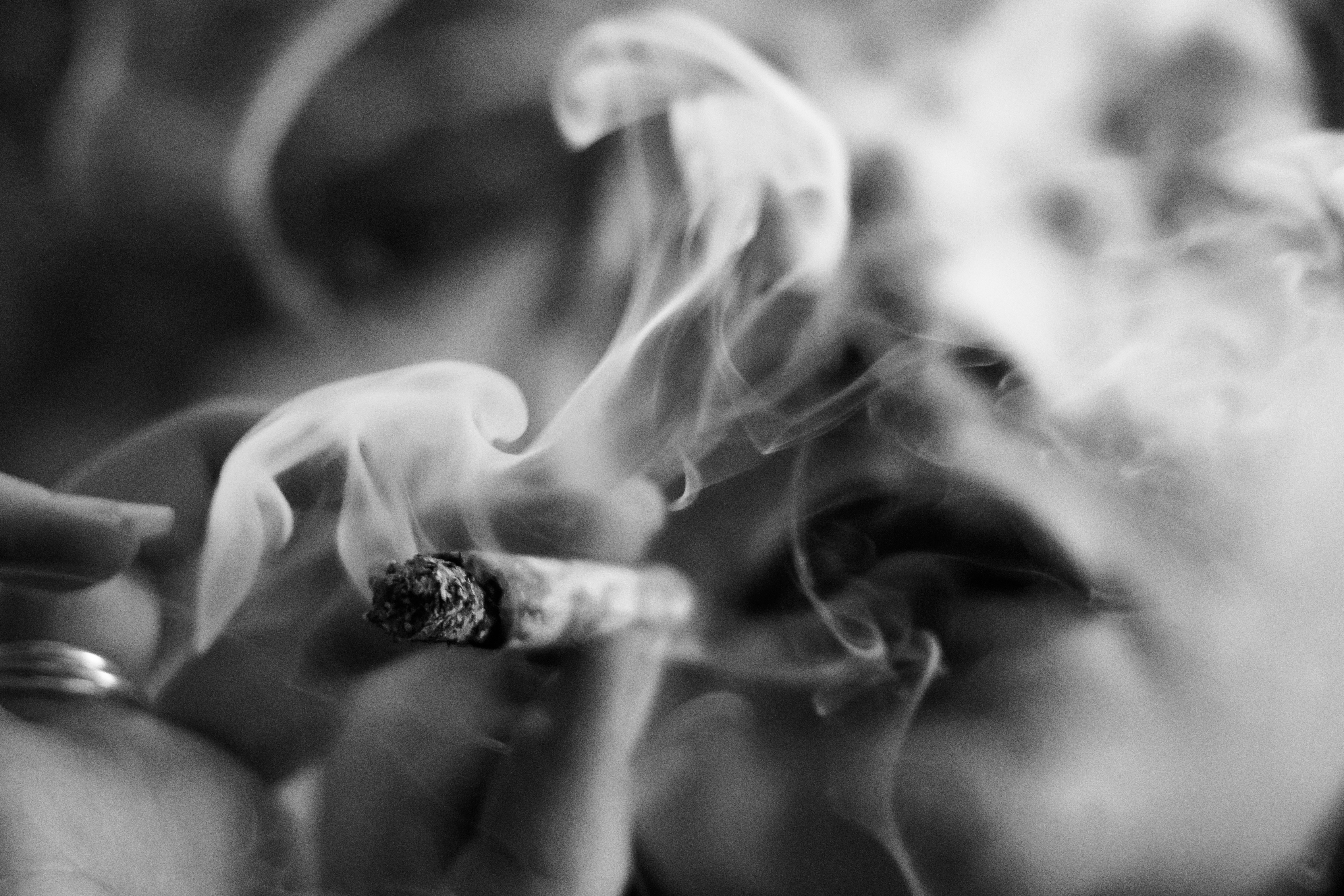
(Before I go on, I should probably come clean: I still smoke on occasion, although never indoors and only when I can get hold of menthol cigarettes, which have been banned in the EU for a decade or so now. Travelling East as often as I do and almost always changing planes at Istanbul Airport—menthol cigarette heaven—that’s more often than is ideal).
Anyway, back to Serbia. I recently spent a week in the country (first in Belgrade and later in Niš) and discovered that eating out is almost impossible without enduring an endless smoky haze throughout the meal. Every night I made several (futile) attempts to find a restaurant that did not allow smoking, or which at the very least offered a smoking section that was well-separated from the rest of the dining room. The only place that came remotely close was Piatakia, a really rather Greek restaurant in otherwise gloomy Novi Beograd (I was staying on a boat nearby, more of that shortly) where the non-smoking section was at least partially separate. The food was great (lamb, and lots of it) and I managed to eat and leave without my clothes reeking of cigarettes. Everywhere else I ate, smoke was ever present, and in some places (not least Plato in Niš) overwhelming. It just makes you want to eat as quickly as possible and leave. It’s a shame because the food at Plato (at least what I tasted through all the smoke) was excellent.
It’s really rather remarkable to think that less than two decades ago smoking in restaurants, cafes, bars, pubs, even hotel rooms was a perfectly normal activity everywhere in Europe. (The UK introduced its ban on smoking in all enclosed public places in 2007). We put up with it because we had little choice, and the fact that smoking bans were (by and large) introduced with the minimum of fuss and very little complaint (even by smokers) does rather demonstrate that few people actually enjoyed eating while somebody at the next table ploughed their way through a packet of Bensons.
For those who did enjoy eating in a fog of cigarette smoke, welcome to Belgrade, where smoking in restaurants is less a possibility than an obligation.
–
Belgrade’s not all bad, however. In one sense in particular it is positively progressive, namely its public transport, which is free to all (including visitors). Other cities which have adopted similar schemes extend the gratuity to residents only. As such, arriving at Belgrade’s airport (itself rather good, although in part that’s because the number of flights arriving and departing is somewhat limited. As that number ramps up it could get crowded very quickly) is easy. Find the bus to town (No. 72, or 72N at night) and jump on it. No ticket required. (There is an ‘express’ service that makes the trip to the city centre a bit quicker, the A1, which you need to pay for. My advice is use the free bus).
As welcome as such things are, especially for new arrivals who need not faff around buying tickets or haggling with taxi drivers (neither Uber nor Bolt operates in Belgrade; How do these people survive?) the efficacy of offering free public transport as a means of reducing traffic congestion is highly debatable. Indeed, most studies carried out so far suggest that free public transport can actually be counterproductive. The Reinvantage research team and I have looked at this at some length (and I’ve written about it over at the day job). In brief, the problem appears to be that while public transport use increases (as expected), the number of car journeys does not decrease. When public transport is free, people who might otherwise have walked or perhaps cycled simply jump on the free bus. Drivers remain in their cars.
–
I stayed in two hotels in Belgrade, the first was City Nest, cheap and very close to the city centre. My stay here was spoilt, however, by the noise from the Metropolis Music Bar directly underneath. Loud music was played until the early hours of the morning and staff at the hotel simply shrugged and said there was nothing they could do about it. No rooms at the rear (which would have been shielded, at least a bit, from the music) were available. I would otherwise recommend Metropolis as a great place, serving coffee, drinks, food, and a fantastic selection of vinyl, but their love of loud music until very late makes that impossible.
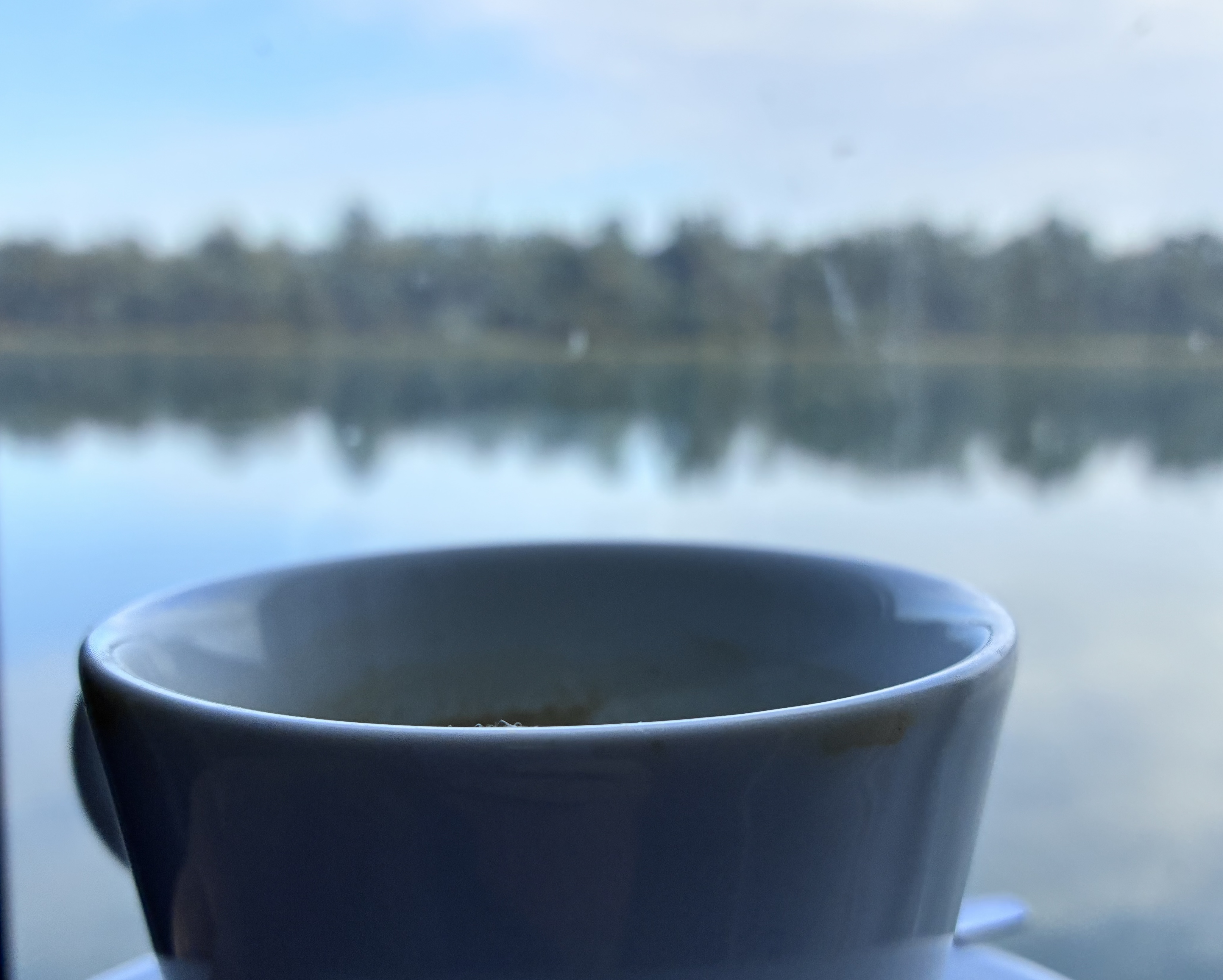
On my return to Belgrade after a detour to Niš (where I stayed at the Eter, which was OK and at least came without any loud music) I chose something where I knew I would get a decent night’s sleep: a boat hotel on the Danube, the Boatel Charlie. The gangway leading to it is somewhat precarious and only for the fittest and nimble, the rooms are rather small and a bit basic, but the views are great and it is to all intents and purposes in the middle of nowhere. Peace and quiet is guaranteed. It’s in Novi Beograd (New Belgrade), a planned city constructed on the Danube’s Right Bank (where it meets the Sava) mainly during the 1950s and 1960s (although some of its best-known buildings, such as the Western City Gate Tower) went up in the 1970s. Fans of brutalist architecture will love the area but its scale makes it less than walkable.
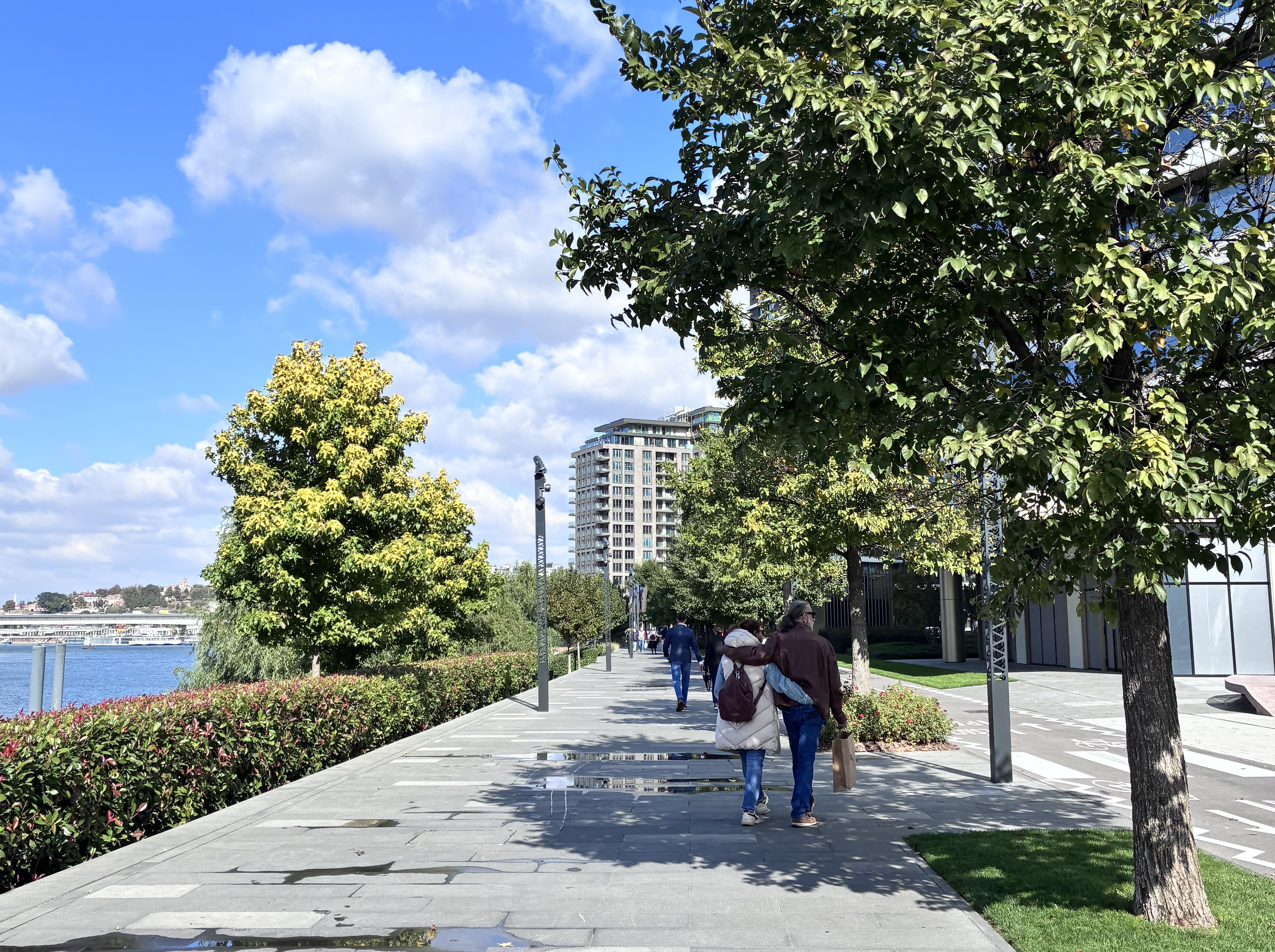
A little more pleasant is the newer Belgrade Waterfront development on the Sava. All posh restaurants, shopping malls, and luxury apartments, it is the face of Belgrade that the city is currently the most keen to show off. The promenade is certainly pleasant in decent weather, although there’s still a lot of construction work going on.
–
Notes
I was in Serbia for work, delivering a course designed to help local IT firms prepare for expansion beyond of the country's borders. As such, there was no time for sightseeing, which is why there are no real details here about what to see in either Belgrade or Niš. I'd like to be able to say that I intend to return to Serbia to have a proper look around, but alas that is not currently the case. And it won't be until the authorities take action to prevent people from smoking in indoor public spaces.